

![图片[1]-爱请病假的德国人,每年平均请病假15天-ichn.eu | 人在欧洲](http://158.101.7.133/wp-content/uploads/2025/05/爱请病假的德国人,每.jpg)
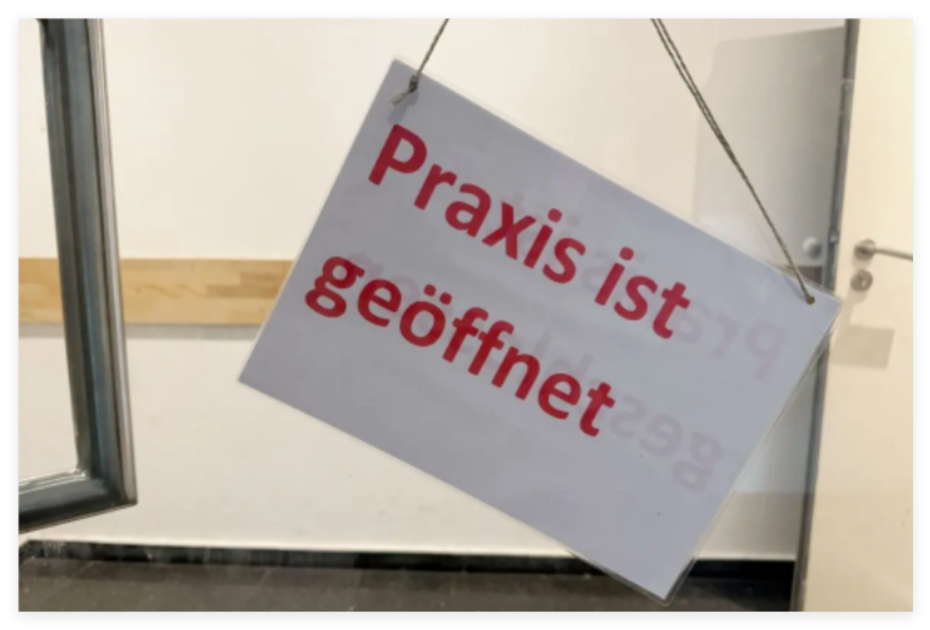
Germans are world champions of calling in sick
It’s easy and it pays well
Historically Germany has been a world champion of the rights of workers related to their health. In 1883 Otto von Bismarck, chancellor of the German empire, set up the world’s first statutory health-insurance system with the Health Insurance Act, which included paid sick leave. Bismarck’s Krankenversicherungsgesetz was not motivated by concern for workers’ welfare so much as a strategy to beat socialists at their own game. Yet it laid the foundations of Germany’s welfare state and was followed by laws on accident and disability insurance.
从历史上看,德国一直是世界上维护劳动者健康权益的先驱。1883年,德意志帝国首相俾斯麦通过《健康保险法》建立了世界首个法定健康保险制度,其中包括带薪病假。俾斯麦的《健康保险法》并不是出于对工人福利的关心,而是为了在社会主义者的主场击败他们。然而,这一法案奠定了德国福利国家的基础,随后德国又颁布了意外和伤残保险法。
German bosses are warning that the pioneering policy has become a handicap. Germany is now “the world champion when it comes to sick days,” according to Oliver Bäte, the boss of Allianz, Europe’s biggest insurer. In an interview with Handelsblatt, a newspaper, Mr Bäte called for a “waiting day” (an unpaid first day of sick leave), which he claimed could save €40bn ($42bn) a year. German workers are sick on average 15 days a year compared with eight days for the eu as a whole.
德国企业界警告说,开创性政策已经成为发展的阻碍。欧洲最大的保险公司安联(Allianz)的老板奥利弗·贝特(Oliver Bäte)说,德国现在是“休病假领域的世界冠军”。在接受《德国商报》(Handelsblatt)采访时,贝特呼吁实行“等待日”(病假第一天无薪),并声称此举每年可以节省400亿欧元(420亿美元)。德国工人每年平均休15天病假,而整个欧盟只休8天。
Ola Källenius, the boss of Mercedes, agrees with Mr Bäte. He warns of the “economic consequences” of a sickness rate in Germany that is often twice as high as in other European countries. Mercedes also manufactures cars and vans in Hungary, Romania, Spain and Poland in factories with comparable working conditions but with far fewer unwell workers taking time off. Another impediment is the last thing German business needs at a time when the economy is in recession for the second consecutive year, energy prices remain high and a trade war is looming.
梅赛德斯公司的老板奥拉·凯勒纽斯(Ola Källenius)与贝特观点一致。他警告说,德国的病假率往往是其他欧洲国家的两倍,这将带来“经济后果”。梅赛德斯在匈牙利、罗马尼亚、西班牙和波兰生产轿车和面包车,这些工厂的工作条件与德国本土相当,但请病假的工人要少得多。在德国经济连续第二年陷入衰退、能源价格居高不下且贸易战阴云密布之际,高病假率成为德国企业最不希望看到的阻碍因素之一。
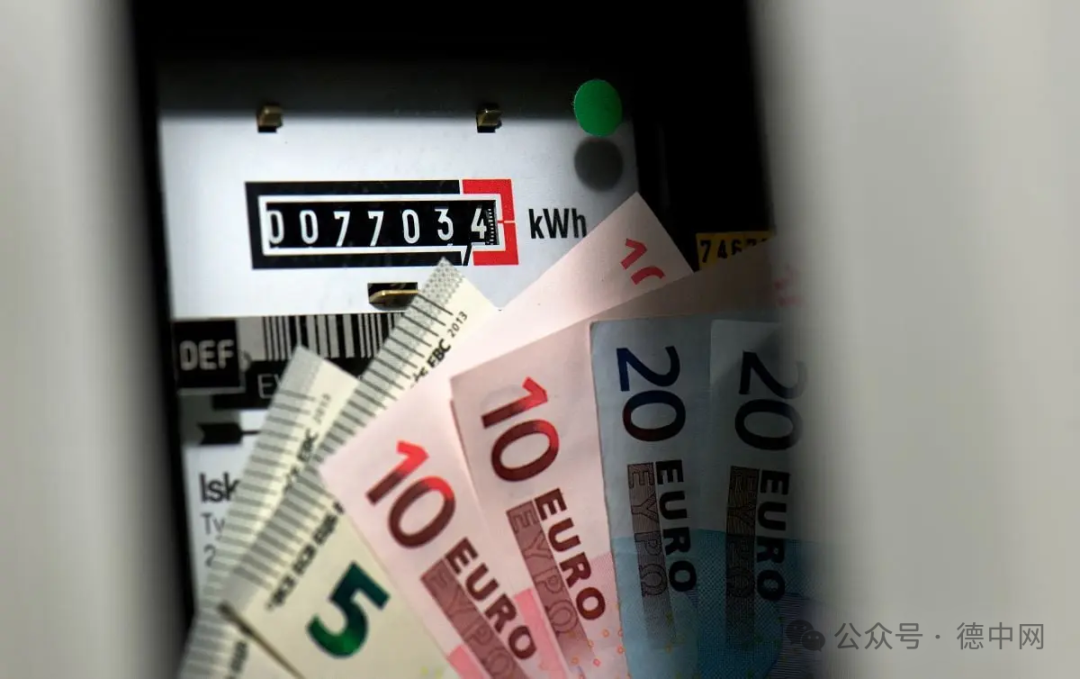
Germany has one of the most generous sick-leave regimes in the world and it is costing businesses dearly. It is not clear that Germans are more poorly than other Europeans. An ageing society and the pandemic have caused a new vulnerability to respiratory illnesses and mental-health challenges but that is true of most other countries. “It’s very hard to police,” says Jochen Pimpertz of the German Economic Institute (iw). In a study he found that the total nominal cost of sick pay for employers rose from €36.9bn to €76.7bn between 2010 and 2023 (a 57% increase, adjusted for inflation). That is partly a result of higher wages and a bigger workforce, but also because more people are calling in sick.
德国是世界上病假制度最宽松的国家之一,这让企业损失惨重。德国人是否真的比其他欧洲人更易患病,这一点并不清楚。老龄化社会和疫情确实让人们更容易受到呼吸道疾病和心理健康问题的困扰,但这一情况在大多数国家都存在。德国经济研究所(iw)的约亨·皮姆佩尔茨(Jochen Pimpertz)说:“这很难统计”。他在一项研究中发现,从2010年到2023年,雇主在病假工资方面的名义总成本从369亿欧元上升到767亿欧元(按通胀率调整后增长了57%)。这一方面是由于工资上涨和劳动力规模扩大,另一方面也因为越来越多的人请病假。
There is clear correlation between the generosity of the system and the number of sick days, says Nicolas Ziebarth of the Leibniz Centre for European Economic Research. Germany’s arrangements are lavish compared with elsewhere in Europe and have become easier to manipulate. Workers receive 100% of their pay from the first day of sickness for up to six weeks. In Britain, for example, employees are not entitled to pay for the first three days of illness (a waiting period the government has promised to abolish) and then get £117 ($144) a week, a fraction of their salary. In 2022 the average Briton took only six sick days. In 2023 it became easier for Germans to call in sick as workers were allowed to get an electronic doctor’s certificate by phone rather than see one in person.
莱布尼兹欧洲经济研究中心的尼古拉斯·齐巴思(Nicolas Ziebarth)说,病假制度的慷慨程度与休病假天数之间存在明显关联。与欧洲其他国家相比,德国的制度过于宽松,且更容易被钻空子。工人从患病第一天起即可享受100%工资,最长可达六周。例如,在英国,员工患病前三天无薪(政府已承诺取消这一等待期),之后每周可领取117英镑(144美元),仅为原工资的一小部分。2022年,英国人平均只请六天病假。2023年,德国进一步放宽病假证明要求,劳动者可通过电话开具电子病假证明,无需当面就诊。
Perhaps Germany should adopt a more Scandinavian approach. Sweden used to have a waiting day but this was abolished a few years ago. Mr Ziebarth also opposes the introduction of one in Germany which, he says, will probably encourage the sick to go to work, possibly infecting others or even hurting themselves or causing accidents. Swedish employers do, however, pay 80% of a worker’s salary for two weeks, after which a health insurer takes over as paymaster. But perhaps the most innovative features of the system is partial sick leave. Doctors can determine that a person is unwell but is still fit for doing some work and can therefore turn up for fewer hours.
或许德国应借鉴北欧国家的做法。瑞典曾设有“等待日”,但几年前已废除。齐巴思也反对德国引入这一制度,认为这可能会迫使生病的员工坚持上班,进而传染他人,甚至导致自身受伤或引发事故。不过,瑞典雇主会在两周内支付员工80%的工资,之后由健康保险公司接管薪资支付。瑞典制度中最具创新性的或许是“半病假”规定:医生可判定患者虽患病但仍能承担部分工作,因此可减少工作时长。
There are other more general measures that Germany could adopt to reduce time taken off such as hygiene routines that protect workers from infection, improved occupational safety and better ergonomics. Company doctors might provide flu vaccinations and advice on both physical and mental health. Policymakers have the hardest task: finding the right balance between giving genuinely sick workers time to recover without encouraging the sort of malingering of which Bismarck would almost certainly have disapproved.
德国还可采取其他一般性措施来减少病假时长,例如加强卫生管理以保护员工免受感染、改善职业安全标准、优化工作环境人体工程学设计等。企业医生可以提供流感疫苗接种,以及关于身心健康的建议。而政策制定者面临的最大挑战在于:如何在让真正患病的员工有足够时间康复的同时,避免助长装病怠工的现象——这类行为肯定会遭到俾斯麦的反对。




暂无评论内容